Is AI recommending your products?
Shoppers now ask ChatGPT, Gemini, Perplexity and Google's AI which product to buy. Rempa asks them your buyers' questions, product by product, and reads every answer: whether your product is recommended, in which position, which competing products are named instead, and the price AI gives for it.
Product tracking is an add-on to any paid plan, priced per product. Import your catalog from Shopify or your sitemap.
AI answer
- Strideline Arch 4around $140The most stable pick, with a firm medial post.
- Northfox Glide 2about $125Softer and lighter, good value for daily runs.
- Pacera Balance$110 to $130A budget option with a wide toe box.
What Rempa records for Northfox Glide 2
- RecommendedYes, position 2
- Price givenabout $125
- Named ahead of itStrideline Arch 4
- Said about it"good value"
Whatever you sell, shoppers ask AI first
Running shoes, handbags, laptops, phones: for every product people compare before they buy, AI answers name a short list of models. Rempa tells you whether yours is on it.
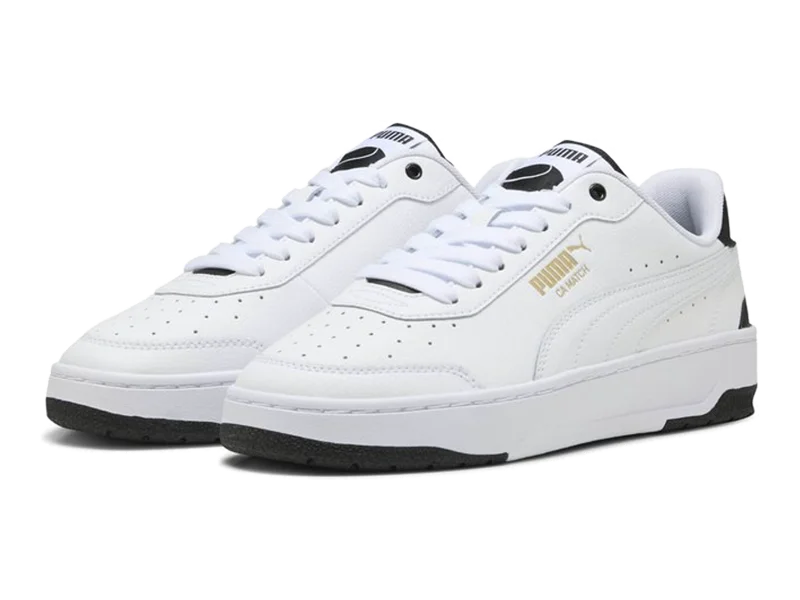
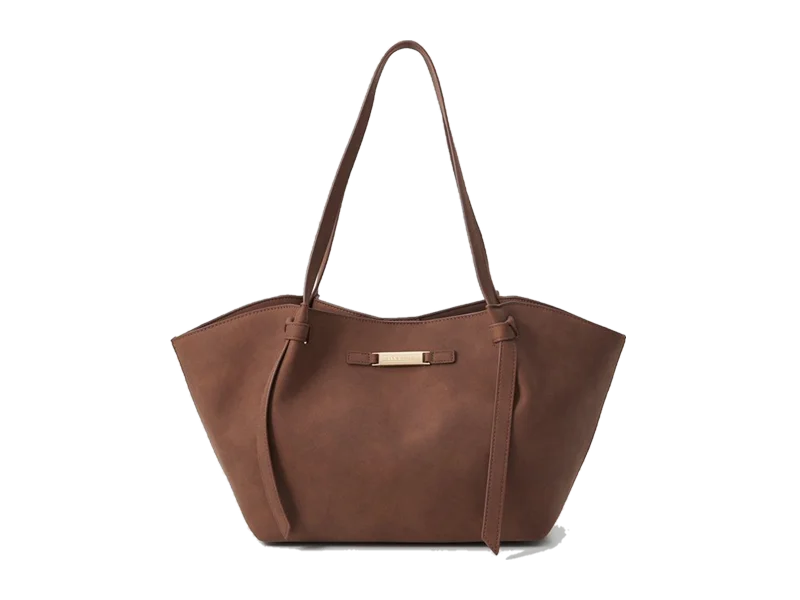
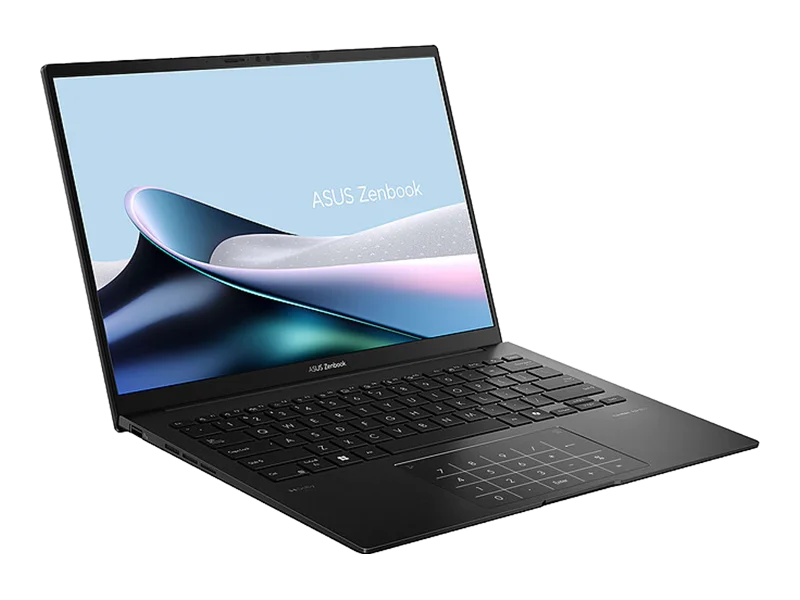
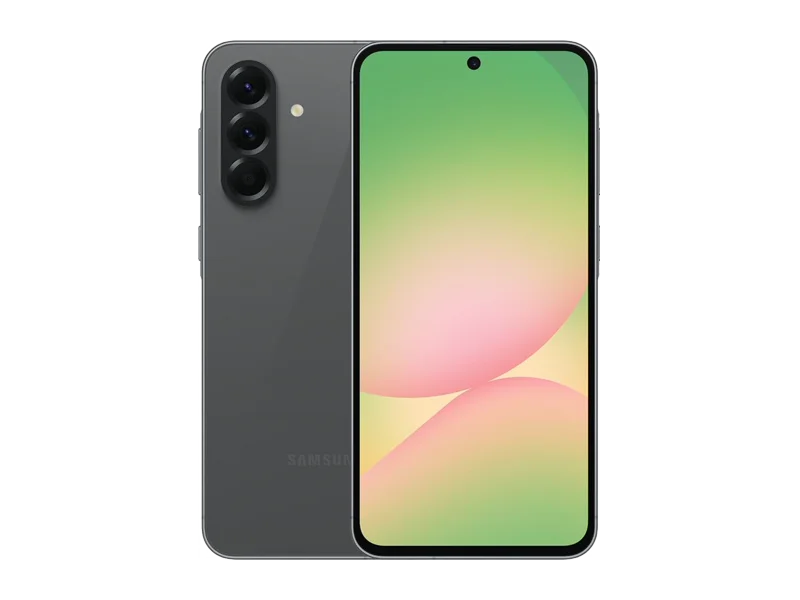
Sample data
Each product, on its own buyer questions
Brand tracking tells you whether AI names your company. Shoppers buy a product: AI answers name a precise model, a price and a reason. Rempa follows each of your products the way a shopper meets it.
Visibility
The share of answers that recommend the product on questions that don't name it: the best one for a need, under a budget, for a use. Does AI suggest it on its own?
Position
Where it comes in the list of products each answer recommends: first pick, or third after two competitors. Averaged over the period and model by model.
Competing products
Every product the answers name, from any brand: how often it is recommended instead of yours, and how often ahead of yours. Your real competitors, product by product.
Prices AI gives
The price each answer gives for your product, as written, model by model, and the words used about it: cheap, good value, expensive. When AI models disagree on a price, you see it.
Sentiment
How each answer talks about the product, positive, neutral or negative, with the reasons it gives: the strengths AI repeats and the drawbacks shoppers read.
Head-to-head
Your product against any competing product: who AI picks when the question names neither, who comes first, sentiment and typical price, per model and per update.
Know which product AI picks instead of yours
Your brand's competitors are not always your product's. A shopper asking for flat-feet running shoes gets three or four models from different brands, and the one ahead of yours is the one taking the sale.
The product page lists every competing product the answers name, how often instead of yours and how often ahead of it. Pick the main one and the page compares them first.
| Competing product | Named in | Instead of yours | Ahead of yours |
|---|---|---|---|
| Strideline Arch 4 | 64% | 31% | 58% |
| Pacera Balance | 41% | 22% | 19% |
| Altamove Trail Flat | 27% | 18% | 24% |
| Kestrel Run 9 | 15% | 9% | 6% |
Northfox Glide 2 vs Strideline Arch 4 · last 30 days
Only yours 38%Both 21%Only theirs 41%
| Model | Yours first | Typical price, yours | Typical price, theirs |
|---|---|---|---|
| ChatGPT | 45% | $125 | $140 |
| Gemini | 52% | $129 | $139 |
| Perplexity | 31% | $125 | $145 |
Your product against its main rival
Open any competing product and compare: on the questions that name neither, how often AI recommends only yours, both, or only theirs. Then who comes first, the sentiment, the typical price each AI gives and the words it uses about price.
Everything splits by AI model and by update, over 7, 30 or 90 days, with the answers themselves one click away.
Running in three steps
- Import your productsFrom a Shopify store, from the product pages of your sitemap, or one by one from a product page. Tick the ones to track.
- Check the questionsRempa reads each product page and drafts up to 10 buyer questions: some that don't name the product, some that do. Edit them as you like.
- Read and actEach update fills the product pages, and the Recommendations page lists what to fix: pages to improve, sources to get listed on, prices AI disagrees on.
Your products in your own tools
Add products, read their results and compare them with a competitor through the REST API. Or connect Claude, ChatGPT or Cursor through the MCP connector and ask in plain words which products lose ground, and to whom.
Ask your AI agent
- "Which of my products are least recommended this month?"
- "Compare the Glide 2 with the Strideline Arch 4 on ChatGPT."
- "Which prices do the AI models disagree on?"
- "Add the five new products from our autumn collection."
AI shopping visibility questions
What is AI shopping visibility?
How often AI assistants recommend your products when shoppers ask them what to buy, and how they present them: position, competing products named, price and tone. It is the product-level side of AI visibility, which usually tracks only the brand name.
Which AI assistants are tracked?
The AI models of your project: ChatGPT, Gemini, Perplexity, Copilot, Claude, Google AI Mode, Google AI Overviews or DeepSeek, in the country and language you choose, from clean sessions without history.
Does Rempa check the price AI gives against my real price?
No. Promotions, variants and countries change prices too often for an automatic comparison to be reliable. Rempa shows the prices each AI gives, as written, and flags when AI models disagree; you compare them with your own prices.
Which stores can I import from?
Shopify stores, from the catalog. Other stores, from the product pages listed in the sitemap. You can also add a product by pasting its page, or through the API and the MCP connector.
How much does it cost?
Product tracking is an add-on to the Starter, Pro and Enterprise plans, priced per active product and month, by how often it is updated: weekly, every 3 days or daily. The price is shown in the app before you add a product. The free trial doesn't include products.
Does it change my brand tracking?
No. Products live in your brand's project but have their own questions and updates; your brand's prompts, results and allowance stay as they are. You can pause a product at any time and keep its history.
See what AI says about your products
Start with your brand, then import your catalog and pick the products to track.